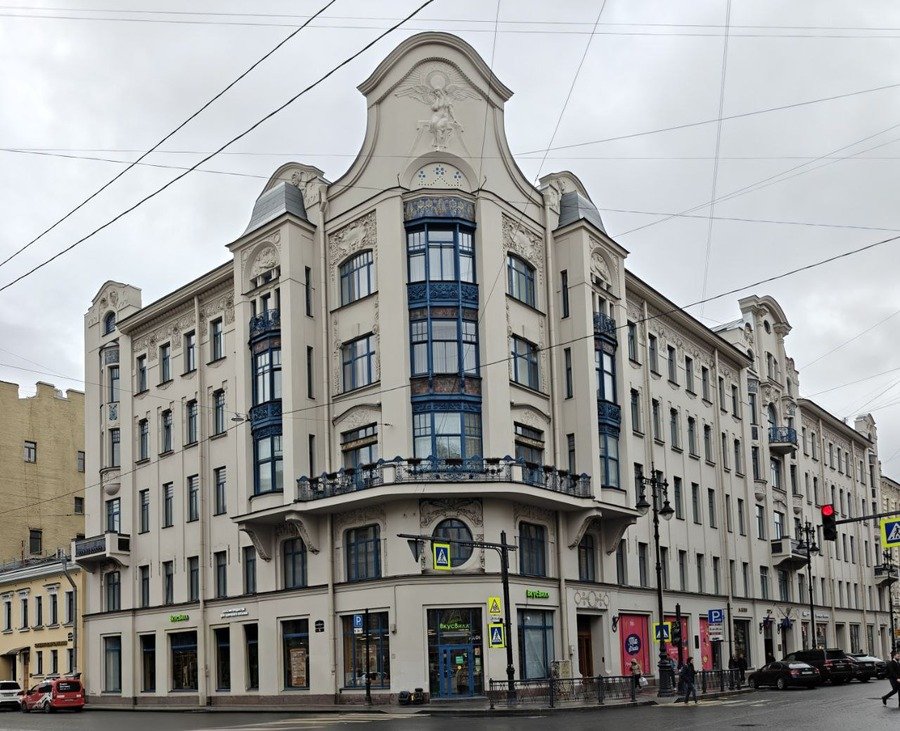
The Russian rental market has seen major shifts in recent years. In 2024, rental prices in Moscow surged by up to 50% in some segments, especially for popular small one-bedroom apartments close to metro stations. This increase was driven by inflation, high mortgage rates, and a wave of potential homebuyers who, faced with unfavorable loan conditions, turned to renting instead.
In 2025, the demand for rental properties — particularly in the budget segment — remains high, though experts expect a return to a more seasonally-driven market.
In this post, I’ll walk you through the essentials of renting property in Russia, the legal framework, and the key risks to watch out for.
On This Page
- Types of Housing and Rental Agreements
- Where to Find Rental Housing in Russia
- Why Rental Contracts in Russia Are Almost Always Fixed-Term
- Extending a Short-Term Rental Contract
- Watch Out for Automatic Renewal
- Rental Prices in Russia
- No Maximum Rental Rates for Private Leases
- Duration of a Rental Contract
- Terminating a Rental Contract
- Renting Апартаменты (Non-Residential Apartments)
- Conclusion
Types of Housing and Rental Agreements
In Russia, the main types of residential properties include:
- Apartments (квартира) – Standard flats, common in all cities.
- Rooms (комната) – A single room within a shared apartment, usually with shared kitchen and bathroom facilities.
- Houses (дом) – Standalone houses, typically found on the outskirts or in smaller towns.
A relatively new and growing phenomenon is the апартаменты (apartments without residential status). I discussed the legal specifics of апартаменты in a previous blog post. In short: although the name suggests they are normal apartments, апартаменты are legally classified as commercial properties, not residential spaces.
They are often created by converting former office or industrial buildings into modern living spaces. Their popularity stems mainly from their lower rental prices (15–25% cheaper) and flexible layouts. However, there are serious downsides:
- No permanent registration (only temporary in rare cases)
- Higher utility and tax costs (up to 2% of cadastral value)
- No required social infrastructure (schools, clinics)
- Weaker legal protections for tenants
- Residential standards (like noise insulation and sunlight requirements) often don’t apply
Despite these drawbacks, апартаменты remain in high demand, particularly among young urban residents seeking flexible living arrangements and central locations — often in mixed-use complexes featuring cafes, shops, and even swimming pools.
Tip:
Whether you’re renting a traditional apartment or an апартаменты, always insist on a written rental agreement and verify that the landlord has legal authority to rent out the property.
Where to Find Rental Housing in Russia
The Russian rental market offers several major platforms, but which one you use depends heavily on your target location.
- Cian.ru:
Best for finding rental properties in major cities like Moscow and St. Petersburg. It offers detailed filters, up-to-date listings, and a wide range of apartments and rooms. The site is only available in Russian, but with some practice, it’s easy to navigate. - Avito.ru:
While also used in larger cities, Avito is especially helpful for finding rentals in smaller towns and rural areas. It features a broad range of listings, including many posted directly by private landlords. However, be cautious: the risk of scams is higher here.
For renting апартаменты specifically, there are alternative channels:
- Aparthotels:
Many aparthotels allow you to sign long-term rental agreements directly via their websites or by phone. These arrangements are common in big cities and often come with more flexible terms. - Telegram groups:
Specialized Telegram groups offer апартаменты rentals for both short and long stays. These are especially popular among young tenants, students, and digital nomads. The listings often feature stylish, move-in-ready units in multifunctional complexes.
Why Rental Contracts in Russia Are Almost Always Fixed-Term
In practice, rental contracts in Russia are almost always signed for a fixed term, usually no longer than 11 months. This approach stems from the legal requirements surrounding property registration.
According to Article 609(2) of the Russian Civil Code, any lease of real estate — including residential property — for a period of one year or longer must be registered with the state cadastre (ЕГРН).
In addition, for residential leases, Article 674(2) of the Civil Code and Article 51(2) of the Real Estate Registration Law specify that such a lease constitutes a formal encumbrance on the ownership rights of the property, which must also be registered.
For many private landlords, this registration process is:
- Bureaucratic and time-consuming
- Legally burdensome
- Undesirable, especially if they prefer not to report rental income officially
As a result, most landlords opt to sign contracts for no more than 11 months, thereby avoiding the obligation to register the lease. In practice, tenants often remain in the same property for years through consecutive short-term contracts.
Important for foreigners:
Even if you plan to stay in Russia long-term, you will almost always receive a short-term, unregistered lease.
Extending a Short-Term Rental Contract
In Russia, it is common to sign a rental agreement for up to 11 months to avoid cadastre registration (as described above). However, many tenants stay far longer in the same property. So how does lease extension work, and what are the risks?
Typical practice:
- Landlords often draft a new short-term contract each time the old one expires, rather than formally extending the previous one.
- Legally, this counts as a new agreement, not an extension.
- This tactic circumvents the obligation to register longer-term leases.
While this setup offers flexibility to both parties, it limits the tenant’s legal protections, particularly if key terms are not properly spelled out.
Watch Out for Automatic Renewal
Under Russian law (Article 683(2) of the Civil Code):
“No later than three months before the lease term ends, the landlord must either offer to renew the contract on the same or new terms, or notify the tenant that they do not intend to continue renting the property for at least a year.
If the landlord fails to do so, and the tenant does not refuse to renew, the lease is considered automatically extended on the same terms and for the same period.”
Translation:
If the landlord doesn’t formally notify you or offer a renewal, and you stay put, your lease automatically renews under the same conditions.
Warning:
This can lead to unintended consequences, especially if neither party realizes that the contract is legally continuing!
Rental Prices in Russia
Rental prices in Russia are generally determined through mutual agreement between landlord and tenant.
According to Article 682 of the Civil Code:
“The amount of rent is determined by the agreement between the parties.
If the law sets a maximum rent, the agreed rent must not exceed that maximum.”
Key points:
- In most cases, there are no government-imposed limits on rent.
- Unilateral rent increases are not allowed unless specifically permitted by law or by the terms of the contract.
- Tenants must pay rent within the timeframes set out in the contract.
If no timeframe is specified, rent must be paid monthly, in line with the Housing Code.
No Maximum Rental Rates for Private Leases
In Russia, there is no nationwide rent control for private residential leases.
Price ceilings only apply to social housing (жилищный фонд социального использования) — apartments rented out by the government to vulnerable populations.
Each region sets its own cap for social housing (Article 156.1 of the Housing Code).
For private leases:
- There are no limits — landlords and tenants are free to agree on any rent.
- Article 682 still protects tenants from unauthorized rent hikes: any changes must be based on the contract or the law.
Duration of a Rental Contract
In Russia, residential rental contracts can be signed for a period of up to five years (Article 683(1) of the Civil Code).
If the lease does not specify a term, it is automatically considered to be for five years.
If the lease term is less than one year, certain restrictions apply:
- The tenant cannot bring in new permanent residents or temporary guests without the landlord’s permission.
- Subletting the property is not allowed unless explicitly permitted by the lease.
- The tenant has no preferential right to renew the lease at the end of the term.
- If the tenant dies or permanently moves out, the lease automatically terminates.
Good to know:
These restrictions can be waived if the lease expressly provides otherwise — for example, by allowing subletting with landlord approval.
Leases of one year or longer trigger additional legal requirements:
- They create an encumbrance on the property ownership rights.
- This encumbrance must be registered with Rosreestr (the Russian property registry).
- Registration must occur within one month of signing the lease (Article 674(2) of the Civil Code, Law No. 218-FZ).
Terminating a Rental Contract
According to Article 687 of the Civil Code, both tenants and landlords may initiate termination of a lease, but the rules are not the same for both sides.
Termination by the Tenant
A tenant can terminate the lease at any time without going to court, provided that:
- They give the landlord three months’ written notice in advance.
- All adult residents listed in the lease agree to the termination.
If some residents move out but others stay, the lease continues for those remaining in the property.
Termination by the Landlord
For landlords, termination is much more restrictive:
- They can only terminate the lease through court proceedings.
- The landlord must prove one of the legally permitted reasons, such as:
- Repeated failure to pay rent (six months of nonpayment, or two missed payments for short-term leases)
- Damage to the property caused by the tenant or their guests
- Major violations of house rules, such as constant noise complaints, illegal activities, or improper use (e.g., running a business)
- The property becomes uninhabitable, verified by an official commission
- Unauthorized remodeling without returning the property to its original condition
Even if the landlord wins in court, tenants are often given a grace period of up to one year to fix the issues before actual termination.
The court may also postpone eviction for up to one additional year upon request.
Renting Апартаменты (Non-Residential Apartments)
In Russian law, апартаменты are not considered residential property but commercial premises (нежилое помещение).
As a result, renting an апартамент is legally different from renting an apartment.
| Feature | Residential Rental (найм) | Commercial Rental (аренда) |
|---|---|---|
| Legal basis | Civil Code Chapter 35 (Articles 671–688) + Housing Code | Civil Code Chapter 34 (Articles 606–625) |
| Type of property | Residential only | Non-residential (e.g., апартаменты, lofts) |
| Parties involved | Only private individuals | Private or corporate parties |
| Address registration (propiska) | Possible (temporary or permanent) | Not possible (unless registered as a hotel) |
| Mandatory cadastre registration >1 year | Yes (Article 674(2)) | Yes (Article 651(2)) |
| Automatic lease renewal | Yes (Articles 684–687) | No, unless specifically agreed in contract |
| Tenant protections | Yes: rights regarding termination, rent caps (for social housing) | Minimal: all terms are purely contractual |
| Use for permanent residence | Legally allowed | Technically not allowed (but tolerated) |
Key takeaway:
If you’re renting an апартамент, the lease will be a commercial rental agreement (договор аренды), not a standard residential lease (договор найма). This means fewer protections for tenants and stricter formalities.
Conclusion
The Russian rental market is full of opportunities — but also legal complexities. Short-term contracts, mandatory registration requirements, automatic renewals, and different termination rules all make it crucial to understand the system before signing a lease.
Both tenants and landlords should ensure their agreements are clearly drafted and legally sound, especially when renting or leasing апартаменты, which fall under a separate legal framework.
Van Rhijn & Partners can help you with:
- Drafting and reviewing rental and sublease agreements
- Managing registration procedures with Rosreestr
- Advising on lease renewals, terminations, and dispute resolution
We make sure your rights are fully protected — from the first signature to the last rent payment.
Feel free to contact us for a consultation — we’ll ensure your rental agreement in Russia is as solid as the foundation of the building itself.